What the talk covers
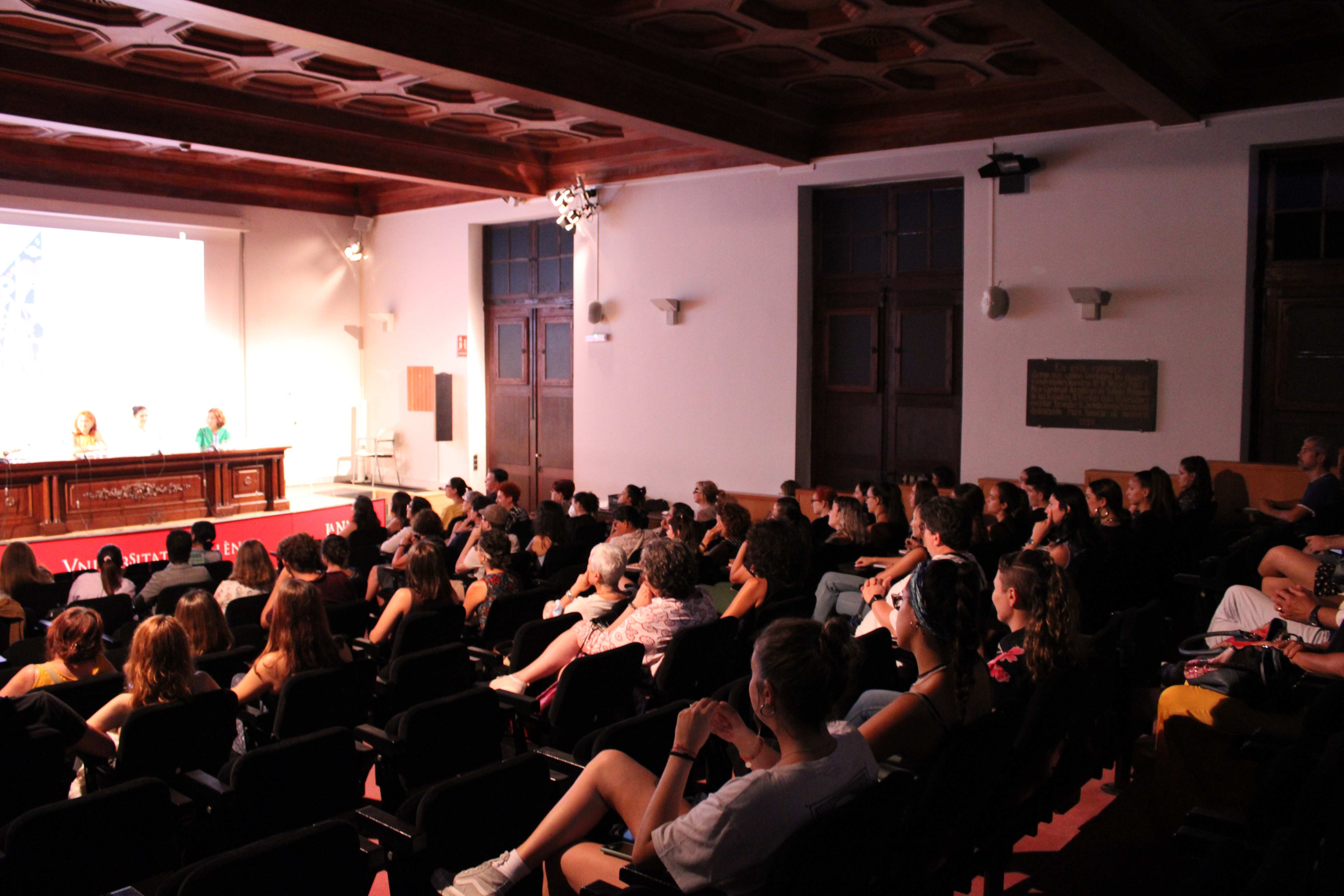
«El podcast después del podcast» examines the evolution of a format that began as amateur, open, and diverse—where anyone could discuss Spartacus for six hours, like La Órbita de Éndor, or create a show about fly fishing, popular in China around 2016, without major resources or traditional media support. The event is part of the programming of the Observatori Cultural of the Universitat de València.
The discussion traces how audio became a refuge for journalists and creators after the decline of digital media and job scarcity, allowing them to continue journalism outside newsrooms and fueling platforms like Radio Primavera Sound.
Formats and examples analyzed
The session reviews the rise of new narrative styles: sound documentaries (Radio Ambulante, Las Raras Podcast), audio fiction (Podium Podcast, RNE), and daily news podcasts like The Daily, Hoy en El País, or Un Tema al Día, proving podcasts could be more than just on-demand radio.
It also explores how major platforms and media discovered the potential of long, relaxed conversations, distinct from traditional interviews, leading to an era where "everyone has a podcast"—from Michelle Obama to Dulceida, or independent creators like Esty Quesada (soyunapringada) and Estela Ortiz (kkiilllljjooyy). The analysis extends to the rise of videopodcasts and viral clips.
Check how to get there in the La Nau venue profile.