Valencia travel guide · Experience
Valencia festivals: the calendar for the year
Valencia's big festival is Fallas, from 1 to 19 March, on UNESCO's Intangible Cultural Heritage list since 2016. But the calendar runs all year: the seaside Easter of the Semana Santa Marinera, Corpus Christi in June, the night of Sant Joan on the beach, the Battle of Flowers in July and 9 d'Octubre, the Valencian Community's day. Here is when each one takes place and how to enjoy it.
Updated September 27, 2026
The essentials in 60 seconds
- The biggest
- Fallas: 1 to 19 March, with the main days from 15 to 19.
- On the beach
- Night of Sant Joan, 23 June: bonfires and a midnight swim.
- In summer
- Battle of Flowers, last Sunday of July, closing the July Fair.
- 40 km away
- La Tomatina in Buñol, the last Wednesday of August (Cercanías C3).
Valencia festival calendar
These are the festivals with the most atmosphere throughout the year. Easter and the dates that depend on it change every year.
| When | Festival | Where |
|---|---|---|
| 5 January | Three Kings parade | City centre |
| 1–19 March | Fallas | The whole city; daily mascletà in Plaza del Ayuntamiento |
| Easter week | Semana Santa Marinera | El Cabanyal, El Grau and El Canyamelar |
| Second Monday after Easter | Saint Vincent Ferrer | Street altars in the old town |
| Second Sunday of May | Our Lady of the Forsaken | Plaza de la Virgen |
| June (Sunday after Corpus) | Corpus Christi | Old town |
| 23 June | Night of Sant Joan | City beaches |
| July | Gran Fira de València and Battle of Flowers | Alameda (Battle of Flowers, last Sunday) |
| Last Wednesday of August | La Tomatina | Buñol, 40 km away |
| 9 October | Valencian Community Day | City centre: procession of the Real Senyera |
| December | Christmas | Plaza del Ayuntamiento and Christmas markets |
Fallas: Valencia's biggest festival
During Fallas, hundreds of monuments made of cardboard and wood, the fallas, fill the streets until they are burned on the night of 19 March, in the cremà. Every day from the 1st to the 19th there is a mascletà at 14:00 in Plaza del Ayuntamiento: a gunpowder display you hear more than you see. On the 17th and 18th, the Flower Offering to the Virgin fills the square named after her with flowers.
It is the busiest time of year for visitors: book accommodation months ahead, expect closed streets and noise at all hours, and check public transport diversions, because they change daily.
If you go to a mascletà, arrive an hour early to get a spot and protect children's ears.
Semana Santa Marinera, Saint Vincent and the Virgin
Easter in Valencia is lived in the seaside neighbourhoods: the brotherhoods of El Cabanyal, El Grau and El Canyamelar process by the sea, and on Easter Sunday they hold a parade with thousands of participants. A week later, at the festival of Saint Vincent Ferrer, children act out his miracles (milacres) on street altars. And on the second Sunday of May, the Transfer of Our Lady of the Forsaken draws thousands of people to Plaza de la Virgen.
Summer: Corpus, Sant Joan and the Battle of Flowers
Valencia's Corpus Christi, recorded since the 14th century, is one of the oldest processions in Spain: it features the rocas, monumental carts kept all year in the Casa de las Rocas.
On the night of 23 June, Sant Joan, the beaches fill with bonfires and people jumping the waves at midnight. In July, the Gran Fira de València programmes concerts and activities all month, closing on the last Sunday with the Battle of Flowers, when the floats and the crowd throw flowers at each other along the Alameda.
Autumn and winter: 9 d'Octubre, Christmas and the Three Kings
On 9 October the city celebrates the entry of James I in 1238 with the procession of the Real Senyera, and it is tradition to give the mocadorà: a handkerchief wrapped around marzipan sweets. At Christmas the centre gets markets, nativity scenes and lights, and on 5 January the Three Kings parade winds through the city centre.
La Tomatina in Buñol
On the last Wednesday of August, Buñol, about 40 km from Valencia, holds La Tomatina: a one-hour tomato fight in the streets of the town centre. Participation is capped and you need a ticket. You get there on Cercanías (line C3), which runs extra trains that day.
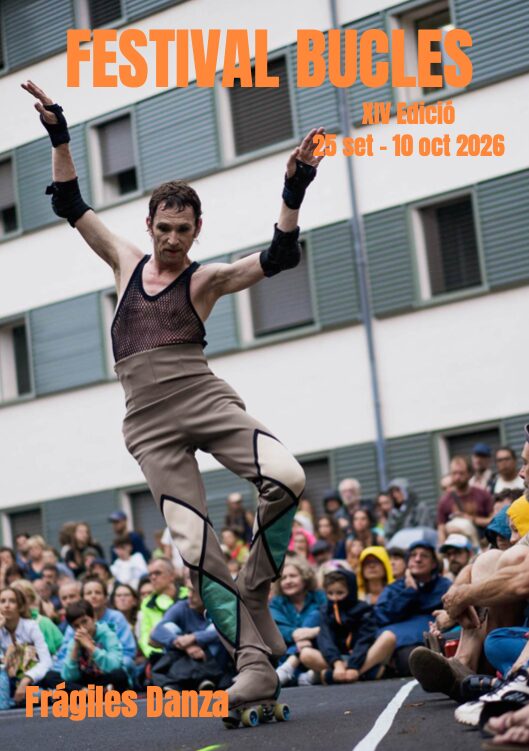
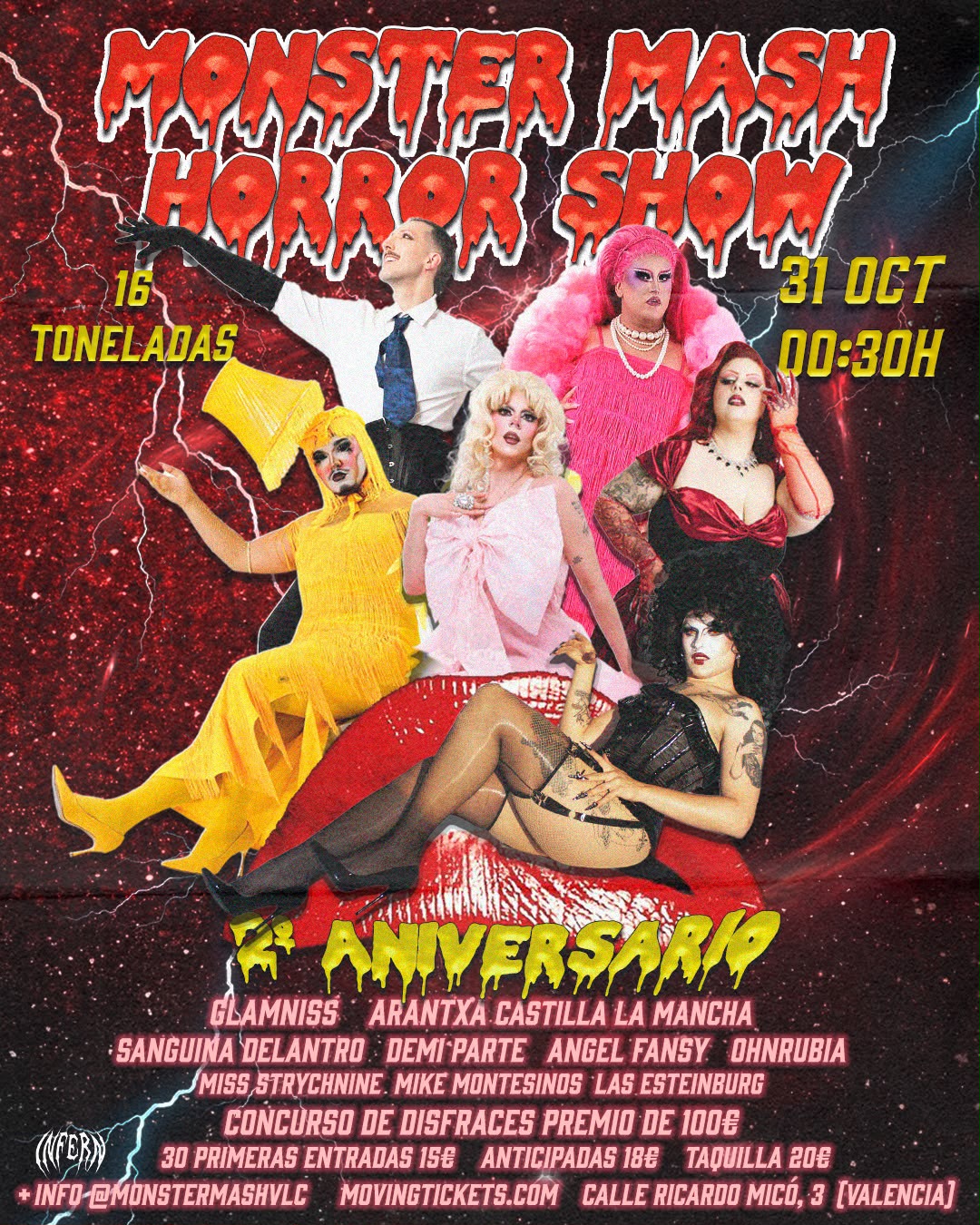
Upcoming festivals on the calendar
These are the upcoming festivals and street parties already on our calendar, each with its date and page.
Frequently asked questions
When is Fallas in Valencia?
From 1 to 19 March, with the main days from the 15th to the 19th. The fallas go up on the 15th, the Flower Offering is on the 17th and 18th, and on the night of the 19th they burn in the cremà. The mascletà in Plaza del Ayuntamiento takes place every day at 14:00 throughout.
What festivals are there in Valencia in summer?
The night of Sant Joan (23 June), with bonfires on the beach; Corpus Christi, in June; and the Gran Fira de València in July, which ends on the last Sunday with the Battle of Flowers on the Alameda. At the end of August, 40 km away, there is La Tomatina in Buñol.
What is the Battle of Flowers?
It is the event that closes Valencia's July Fair, on the last Sunday of the month. Floats decorated with flowers parade along the Alameda and, at the end, the crowd and the falleras riding on them throw thousands of carnations at each other. You can watch from the street or from paid stands.
How do you get to La Tomatina from Valencia?
On Cercanías line C3, from Estació del Nord to Buñol; on Tomatina day Renfe usually adds extra trains. Arrive early and buy your ticket in advance, because participation is capped.
Official sources
Figures and timetables checked against these sources. If anything has changed, the official source prevails.
Keep exploring the guide
- FallasWhat they are, dates, mascletàs and how to enjoy them.
- What's onConcerts, theatre, exhibitions and today's plans.
- Airport to city centreMetro, MetroBús or taxi: times, prices and real timetables.
- Which transport card to buySUMA, SUMA T+ or Tourist Card: work out which is cheapest for you.
- Things to see in ValenciaThe must-sees, grouped by area and with tickets.